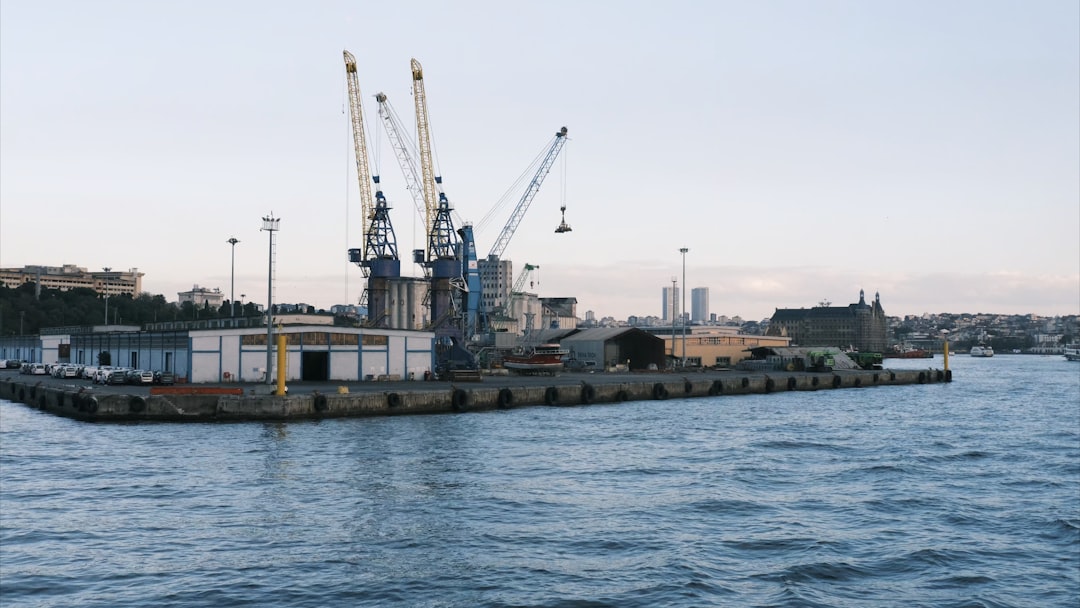
Danube logistics have become an increasingly important option for agricultural exporters seeking flexible access to international markets. River ports can connect inland production areas with major European transport corridors and maritime terminals.
Successful river shipments require detailed planning. Barge availability, river conditions, terminal capacity, transshipment schedules, and the compatibility of documents must all be considered before loading begins.
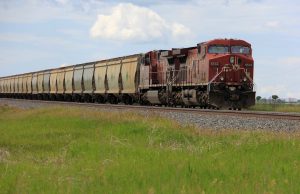
Combining river transport with rail, road, or sea freight can create a resilient supply chain. It also allows cargo owners to compare several delivery scenarios instead of relying on a single port or carrier.
Commodities & Logistics Brokers coordinates participants throughout the route, helping clients maintain cargo visibility and meet contractual delivery requirements.