Exporters operating in the Black Sea region are placing greater emphasis on flexibility when planning agricultural shipments. A route that works efficiently for one cargo may not be the best option for the next, especially when port capacity, weather conditions, vessel schedules, and border procedures change.
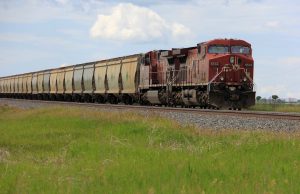
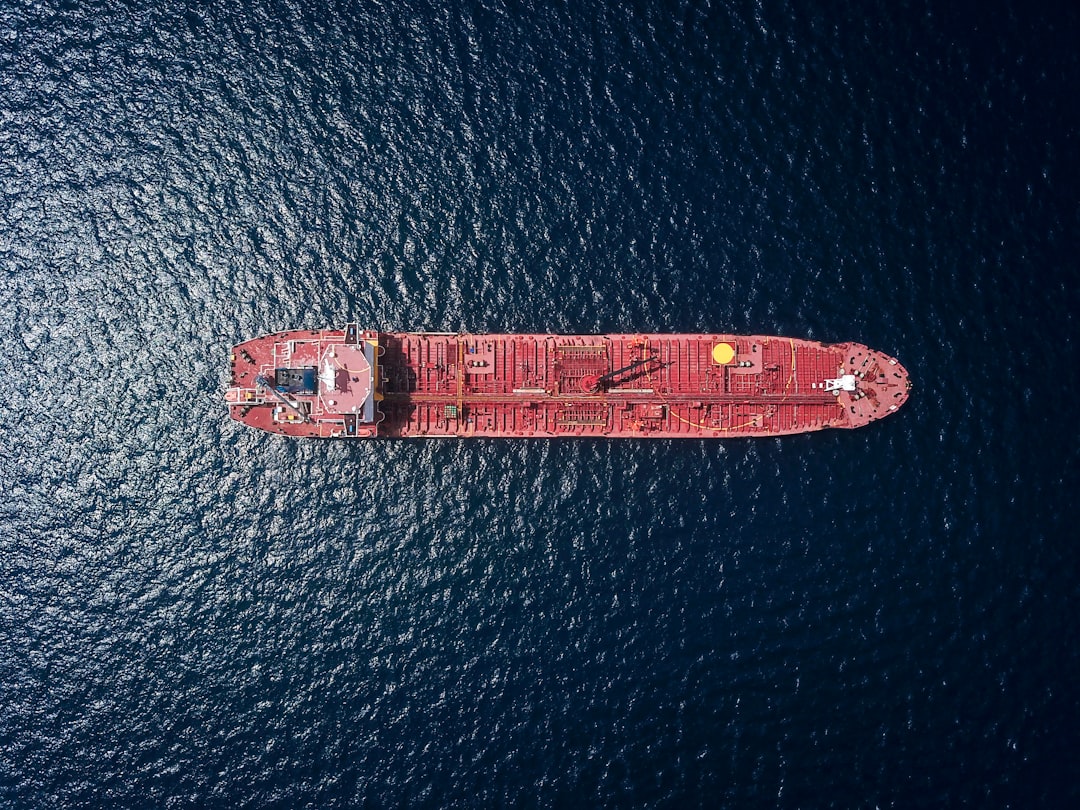
More companies are therefore combining several transport modes. Grain can move by rail or truck to a river terminal, continue by barge, and then be transferred to a sea vessel. This approach gives shippers more alternatives and reduces dependence on a single corridor.
Successful execution still depends on careful coordination. Loading windows, storage capacity, quality documents, customs declarations, and communication with carriers must be aligned before the cargo begins its journey.
Commodities & Logistics Brokers helps producers and buyers compare available routes, coordinate counterparties, and select solutions that balance delivery time, cost, and operational risk.